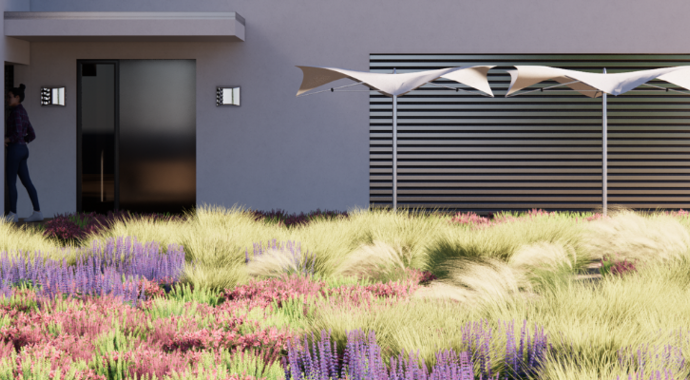
6 Ways Enscape Can Help Speed Up Your Landscape Rendering Workflow
Discover how Enscape can speed up design and iteration, enabling you to easily share ideas for faster and better-informed feedback on your landscape designs.
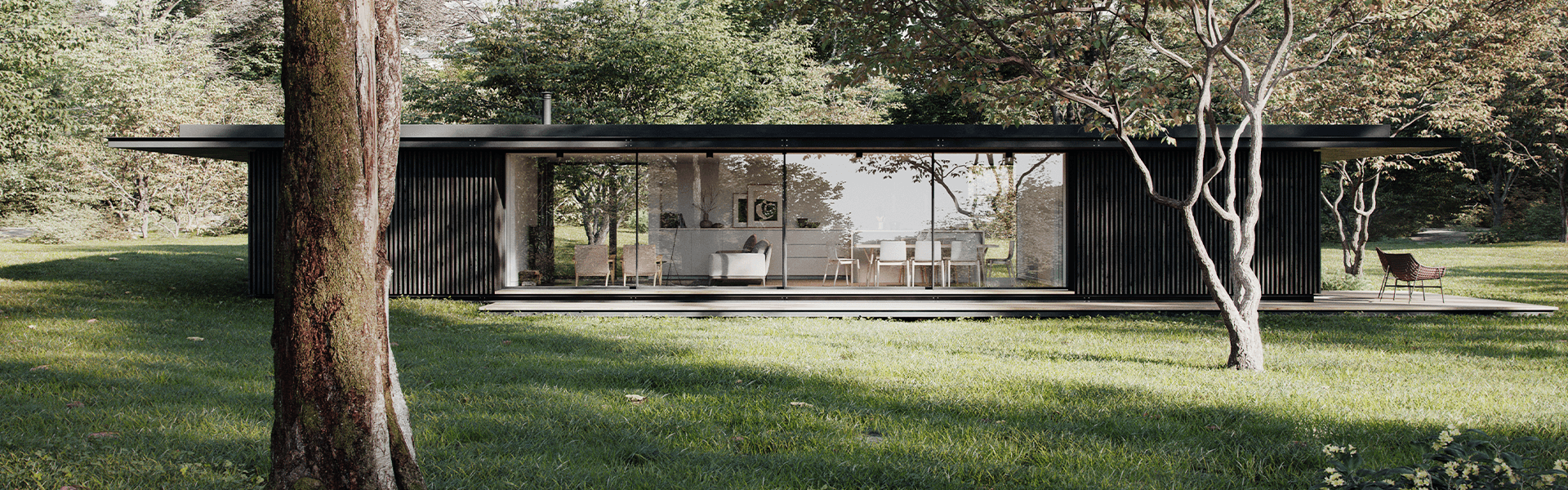

From understanding site conditions to shaping planting, landform, materials, and outdoor comfort, Chaos supports an end-to-end landscape design workflow across concept, development, and presentation.

Explore early ideas quickly and test how paths, planting, and forms respond to the site.

Use Veras to generate early options from sketches or simple massing models.

Explore path layouts, planting structures, and material ideas with real-time visual feedback.

Share quick visuals to confirm direction before detailed work begins.
Explore early ideas quickly and test how paths, planting, and forms respond to the site.
Use Veras to generate early options from sketches or simple massing models.
Explore path layouts, planting structures, and material ideas with real-time visual feedback.
Share quick visuals to confirm direction before detailed work begins.

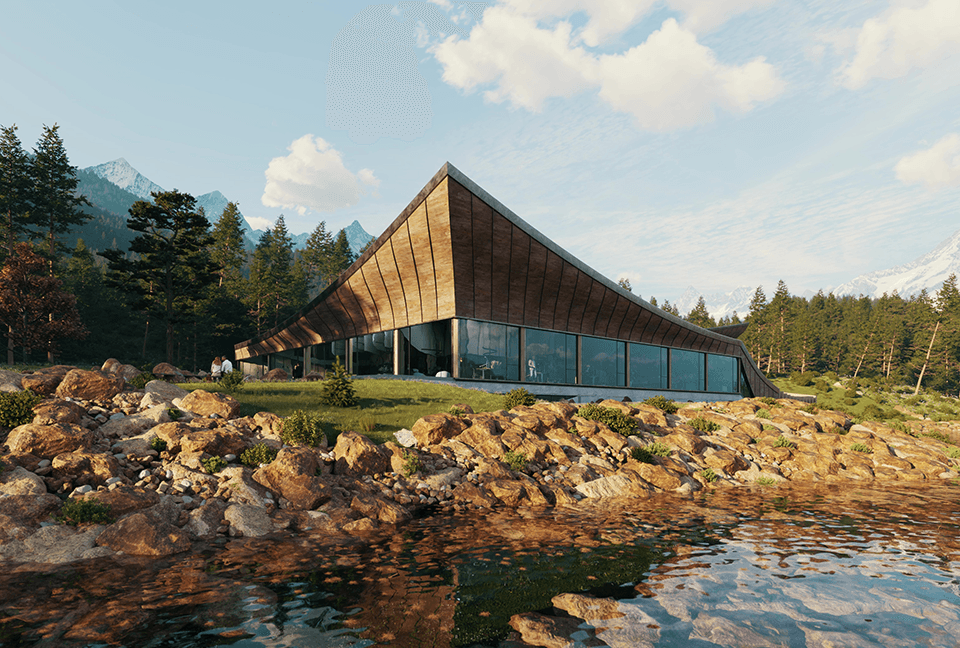
View layouts, planting, elevation, shade, and spatial relationships instantly as you design.
Explore lighting, scale, shade, and context changes in real time.

Explore how paths, entries, and gathering areas support movement through the site.

Integrated with SketchUp, Rhino, Revit, Archicad, Vectorworks, 3ds Max, and C4D.

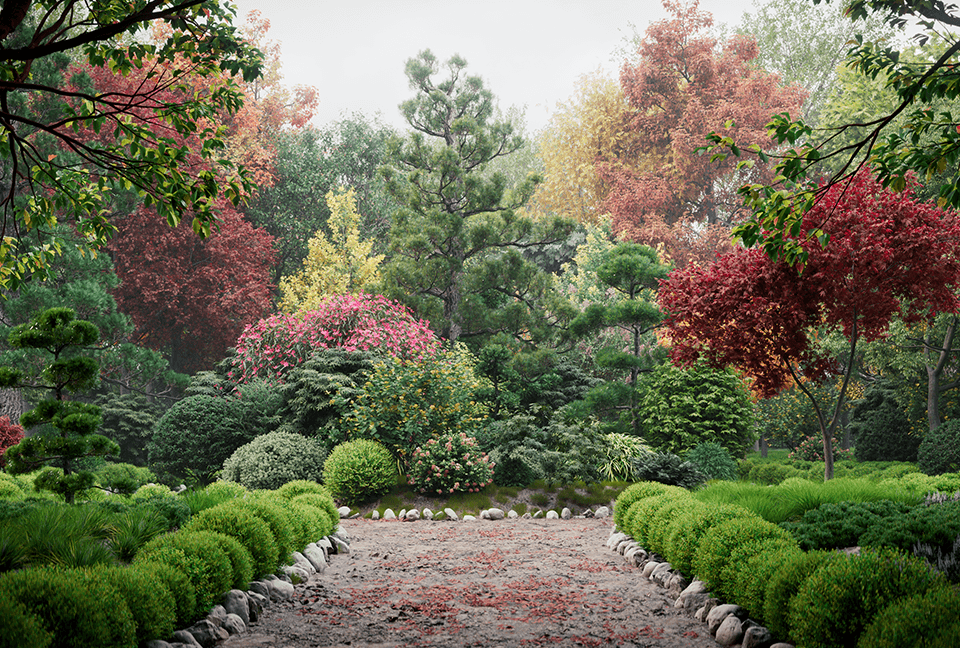
Visualize planting layers, texture, shade, and seasonal character with realistic models.
Cosmos offers trees, shrubs, grasses, and diverse plant models for rich softscape.

Use V-Ray Fur to create lawns, tall grasses, meadows, and wild planting.
Use lighting, vegetation assets, and materials to show canopy structure, density, shade, and seasonal character.

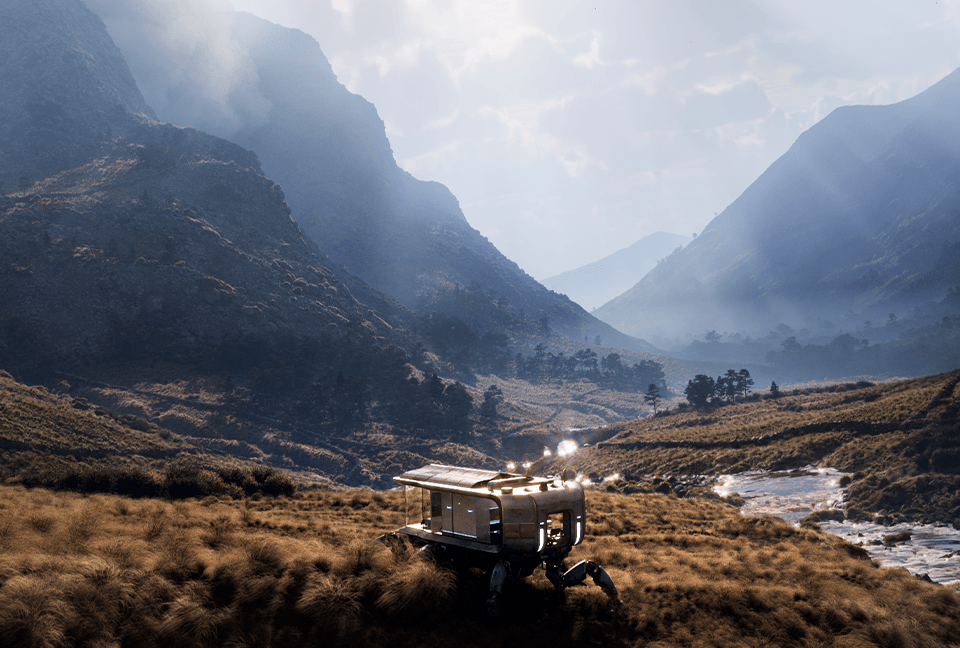
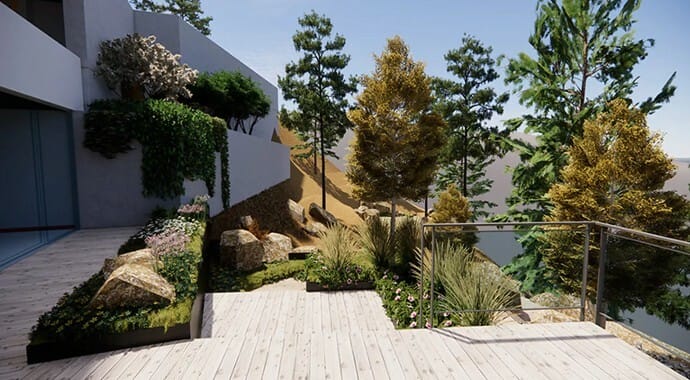
Understand how terrain, materials, and water features shape comfort and usability.

Visualize slopes, terraces, grading concepts, and level changes across the site.

Explore stone, gravel, decking, paving, and structures using Cosmos materials.

Show ponds, streams, fountains, wetlands, or stormwater systems in context.

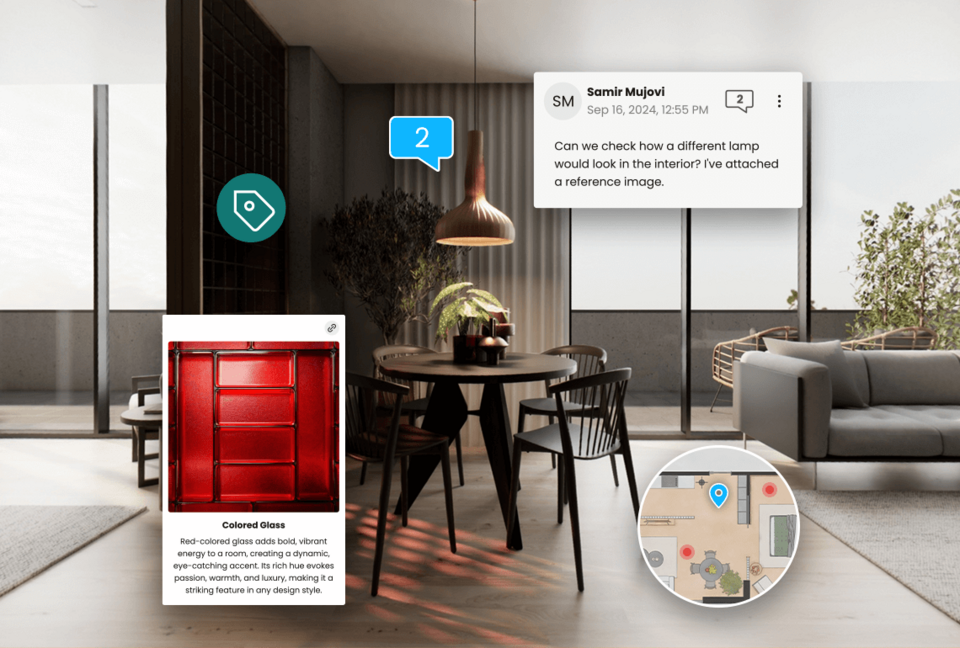
Our landscape rendering tools help clients understand outdoor experiences without relying on technical drawings.

Present entrances, flows, and spatial sequences with Enscape or Envision.

Show how planting, materials, and landform shape the character of a space.

Share via Chaos Cloud to gather comments, markups, and approvals easily.
Landscape architects and designers play a crucial role in improving urban life, shaping healthier public spaces, strengthening ecological systems, and helping communities adapt to climate challenges. Chaos landscape rendering tools support this work by making it easier to study site conditions, explore planting strategies, and communicate designs that focus on comfort, resilience, and long-term environmental quality.
Project type | How Chaos rendering tools help |
|---|---|
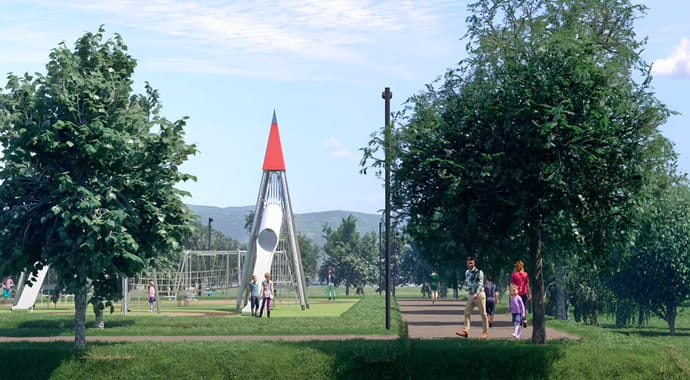
Parks & public landscapes | Supports layout planning, planting structure, circulation studies, shade analysis, comfort evaluation, and visualization of activity areas for clear public-space communication. |
Urban plazas & civic spaces | Helps designers test hardscape materials, lighting, microclimate feel, pedestrian flow, visibility, and spatial hierarchy for dense urban environments. |
Campuses & large mixed sites | Enables smooth navigation of large models, evaluation of building-landscape relationships, movement networks, planting zones, and overall site legibility. |
Residential gardens & private outdoor spaces | Helps visualize planting composition, materials, outdoor living areas, pools, water features, and seasonal atmosphere for homeowner presentations. |
Ecological & restoration landscapes | Supports visualization of planting layers, canopy density, habitat character, seasonal changes, landform, and long-term ecological impact. |
Recreation & cultural landscapes | Helps communicate user flow, gathering areas, activity zoning, visibility, and experiential qualities of outdoor venues and community spaces. |
Waterfront & water-integrated landscapes | Supports clear visualization of water edges, reflections, access points, safety zones, riparian planting, and water movement. |
Streetscapes & corridor projects | Enables evaluation of circulation, planting rhythm, materials, buffers, views, transitions, and human-scale experience along linear routes. |
Institutional & educational landscapes | Helps designers plan shade, comfort, circulation, outdoor learning zones, and social spaces with clarity and fast stakeholder feedback. |

Real-time design feedback on planting, paths, shade, landform, and materials.

Fast AI concept options for planting, canopies, spatial structure, or mood.

Show movement, sequence, or user experience.

Smooth (ray-traced) exploration of large V-Ray/Corona scenes.

Simulate high-quality ponds, fountains, streams, or water edges.

Create lifelike vegetation, outdoor materials, or environmental assets.

Fast sharing, reviews, or cloud rendering.
Discover how Enscape can speed up design and iteration, enabling you to easily share ideas for faster and better-informed feedback on your landscape designs.
Marpa is a firm that specializes in contemplative design. See how they use Enscape in their workflows to evoke a sense of wonder in clients through sleek, modern garden designs.
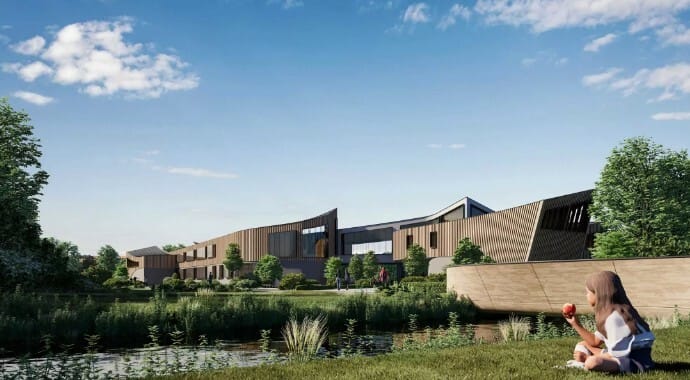
Landscape architecture goes beyond aesthetics. Whether shaping a small garden or an entire public space, designers need to be able to balance function, beauty, and long-term care.
Learn how the Italian city of Pisa used V-Ray and anima to visualize its newest green space, Pungilupo Park, through an animation showing how the park will look and evolve over the next 50 years.